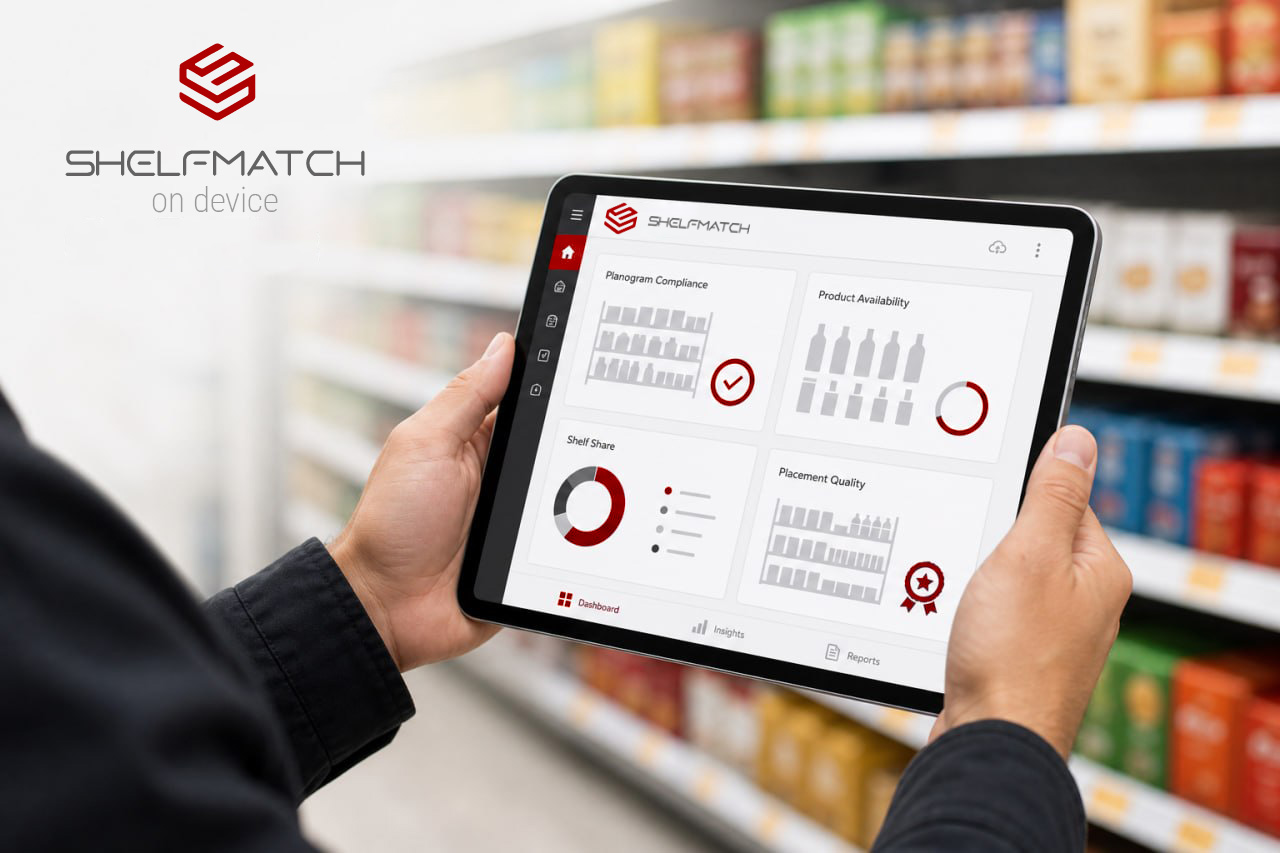
Retail audits are a critical part of in-store execution, but traditional audit methods often struggle to deliver the speed, consistency, and visibility that modern retail operations require. Image recognition introduces a more scalable approach by turning shelf photos into structured, actionable data. For brands and retail teams, that means better control over compliance, fewer manual bottlenecks, and faster response to execution issues.

Photo credit: Unsplash | Allef Vinicius
The value is not limited to automation. Image recognition supports a more disciplined audit process, where detection, correction, and verification are connected in a single operational flow.
The operational challenge
Retail execution depends on timely information. If a product is missing, a price is incorrect, or a promotion is not implemented properly, the problem needs to be identified quickly. In a manual audit model, however, teams often spend valuable time collecting data, checking shelves, documenting findings, and later interpreting results.
That approach can create delays and inconsistencies. Different auditors may assess the same shelf differently, and managers may receive information too late to act effectively. Over time, these gaps reduce the impact of field activity and limit the organization’s ability to maintain standards at scale.
Image recognition addresses these challenges by standardizing visual audit analysis. It helps organizations move from subjective checks to objective shelf intelligence.
How the process works
The workflow is simple. A field user captures an image of the store shelf, display, or merchandising area. The image recognition engine analyzes the photo and identifies products, shelf positions, facings, price tags, and other execution elements.
The system then compares what it sees against the expected standard, such as a planogram or merchandising rule set. If it finds a mismatch, it flags the issue automatically. This can include missing items, incorrect placement, poor visibility, or non-compliant promotional execution.
When connected to task management tools, the audit outcome can move directly into corrective action. This is where image recognition becomes especially powerful: it does not just report a problem; it helps operational teams address it immediately.
Areas of audit coverage
A strong retail audit solution with image recognition can support many core execution metrics, including:
- Out-of-stock identification
- Product presence on shelf
- Planogram compliance
- Pricing accuracy
- Promotional compliance
- Share of shelf
- Shelf placement quality
- Competitor monitoring
These measures are fundamental to in-store performance. A product may be available in the store, but if it is not displayed correctly, it may still fail to generate sales. Image recognition helps ensure that execution standards are visible, measurable, and consistently monitored.
Why objective analysis matters
One of the strongest advantages of image recognition is the ability to create a consistent analytical standard across locations. Manual audits are influenced by experience, interpretation, and time pressure. Image-based analysis reduces that variability and gives teams more dependable data.
This matters for organizations that need to compare performance across regions, stores, or categories. Reliable data improves decision-making, strengthens reporting, and makes compliance tracking more meaningful. It also gives leadership a clearer view of where operational issues are recurring and where support is needed most.
From audit insight to execution control
The real value of an audit process comes from what happens after the issue is identified. Image recognition is most effective when it is integrated into a closed-loop workflow that supports action and verification.
A typical process follows three steps: identify the issue, assign the fix, and confirm the result. This “see it, fix it, prove it” model helps retail organizations reduce delays and improve accountability in the field. It also ensures that audit findings translate into actual operational improvements rather than remaining as isolated data points.
For retail execution leaders, this creates better control over store standards and a more transparent view of what is happening in the field.
Strategic impact for retail organizations
Retail audit image recognition is more than a technology upgrade. It is a practical way to strengthen store execution, reduce manual effort, and improve the reliability of field data. For large-scale retail operations, the impact can be significant: faster audits, better compliance, more accurate reporting, and quicker corrective action.
It also supports stronger collaboration between field teams, managers, and headquarters. When everyone works from the same visual evidence and the same execution standards, it becomes easier to prioritize actions and maintain consistency across the network.
Closing perspective
Retail audits should not simply document store conditions. They should help organizations improve them. Image recognition makes that possible by giving teams a faster and more dependable way to detect shelf issues, verify compliance, and act on what they find.
For companies focused on retail execution, this approach offers a clear advantage: less manual work, better visibility, and a stronger connection between store observations and business results.